
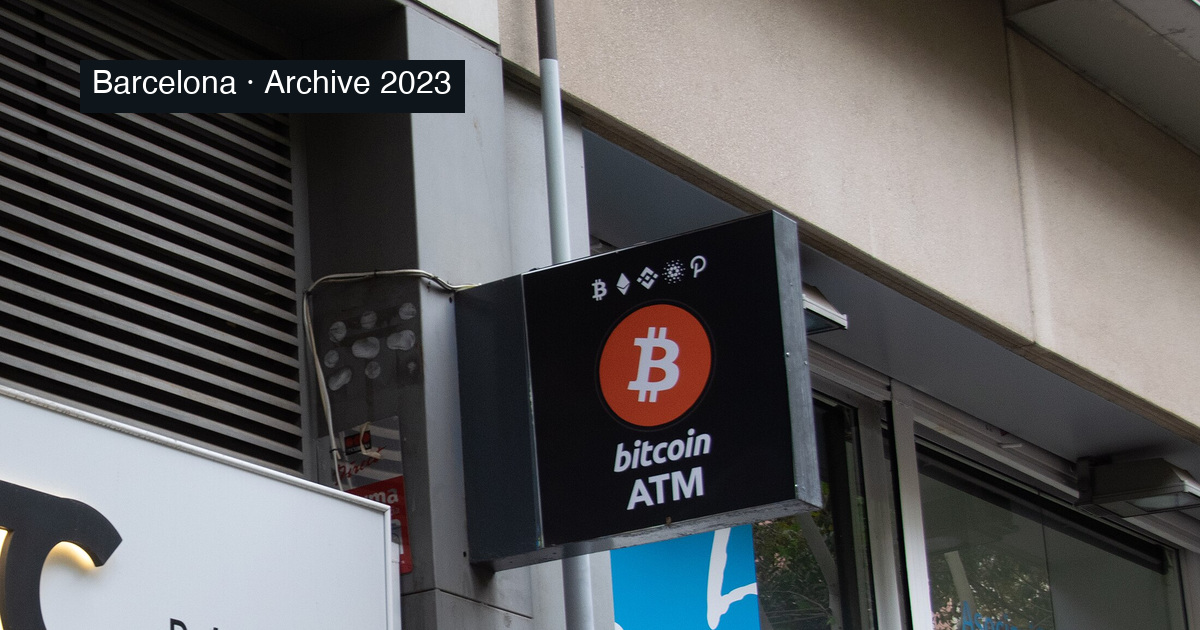

PENNSYLVANIA — The Office of Attorney General has announced a STOP sign awareness campaign for cryptocurrency and Bitcoin ATMs, warning residents about callers who impersonate sheriff's offices and demand deposits under threat of arrest.
The official release dated describes Attorney General Dave Sunday's campaign announcement, rather than a single scam incident.
A demand for crypto is not a warrant payment
The attorney general's Bureau of Consumer Protection reports an increase this year in government-imposter scams involving callers posing as county sheriff's office representatives. According to the release, those calls often involve threats of arrest and demands for Bitcoin ATM deposits.
The office says no legitimate law-enforcement agency or court will direct someone to a cryptocurrency kiosk to pay a fine, resolve a warrant or avoid arrest. Its warning also covers phony investment opportunities and online romance approaches that lead to demands for cryptocurrency.
Warning signs are a planned rollout
The campaign aims to place warning signs at cryptocurrency and Bitcoin ATMs across Pennsylvania. The Office of Attorney General is encouraging businesses that offer the machines to display the signs prominently, with reminders to pause before following an unexpected caller's instructions or sending money under pressure.
The release describes the campaign's intended rollout; it does not establish that every kiosk already displays a warning sign.
Verify independently and preserve records
The office advises residents to hang up on suspicious calls and contact the claimed agency or business using a number from its official website. Caller ID can be manipulated to display a legitimate number, the release cautions.
For consumers who believe they have been targeted, the office advises stopping payments, reporting promptly and keeping messages, transaction receipts, wallet addresses and any QR codes used in the transaction.
The release lists the Bureau of Consumer Protection's reporting number as 1-800-441-2555. Residents can also consult the Office of Attorney General's complaint page for online reporting options. These are reporting channels, not a promise that lost funds will be recovered.